The Interplay of Local Challenges and Outdoor Opportunities
In our fast-changing urban landscape, every day seems to bring a fresh set of tangled issues and nerve-racking developments that affect our communities, schools, and local outdoor spaces. As an editor with a passion for both travel and recreation, I find myself constantly reflecting on the ways local news stories—not only the tragic and troubling ones but also those about nature and recreation—inform our decisions on how we choose to enjoy our surroundings. From reports of incidents near schools to the mixed condition of our local waterways, the headlines paint a picture of a region trying to find its way through complicated pieces of modern life.
The recent spate of reported incidents in the Washington, D.C. area, including an overdose report at a middle school and a robbery near one in Northeast D.C., serves as a reminder that many community challenges are as intertwined with our urban growth as the threads in a tapestry. Equally, discussions surrounding student enrollment declines in Loudoun County Public Schools and controversial political commentary create a backdrop of uncertainty and debate. However, amidst these reports, there is also a focus on the natural environment, such as the ongoing evaluation of the Potomac River’s water quality—an essential resource for millions.
It is in this mix of urban tragedies, public policy debates, and environmental concerns that we can find lessons for those of us who value outdoor recreation and travel. As we take a closer look at these issues, let us figure a path that balances community safety with our passion for nature, and public service with outdoor enjoyment.
Community Crisis and Its Ripple Effects on Outdoor Recreation
One cannot help but feel a sense of disquiet when reports arise about incidents at local schools. When a child is hospitalized following an overdose report at Stephen E. Kramer Middle School, and other students are examined after similar incidents, the community is forced to confront hidden complexities and small distinctions in safety protocols and youth care. While the news is unsettling, it also calls for an honest conversation about community well-being—both in the classroom and beyond the confines of campus walls.
The troubling news from the school environment, such as a robbery incident involving a minor near a Northeast D.C. middle school, similarly raises questions about how safe our urban areas really are. These kinds of events not only affect the families involved but ripple out into the community, influencing perceptions, behaviors, and even how local recreational areas are used. When parents and community members are on edge, it becomes increasingly important to explore and support safe, inviting outdoor spaces where families can gather away from the hustle and bustle of urban life.
Travel and outdoor recreation professionals have a role here: by shining a light on the safe havens available in our regions, we foster a sense of community healing and resilience. After all, easily accessible parks, guided tours in nature reserves, and well-maintained walking trails provide an alternative escape from the complicated pieces of daily headlines. It is essential to remember that despite the nerve-racking news, many local treasures continue to offer peaceful retreats where one can dig into nature’s calming embrace.
How Urban Challenges Affect Community Enjoyment of Nature
Urban challenges, whether they involve safety, infrastructure, or social issues, often go hand in hand with our decisions on outdoor recreation. Here are a few ways in which these tricky parts impact our access to nature:
- Increased Caution: High-profile incidents near schools and in urban settings can lead to heightened fears, making families less likely to venture out.
- Resource Allocation: When local governments address urgent public safety issues, the funding and attention given to maintaining parks and recreational trails may decline.
- Community Cohesion: On the flip side, communities sometimes rally together in times of crisis, organizing local outdoor events that foster safety and solidarity.
This balance between concern and opportunity is not always easy to manage, but it does show the importance of carefully stewarding both urban development and our public natural areas. The link between safety and recreation in urban settings is a reminder that nature still serves as an essential, if sometimes overlooked, component in maintaining communal well-being.
School Safety and the Impact on Community Trust
Reports about declines in student enrollment in Loudoun County Public Schools until 2031, as well as controversies involving political figures and public institutions, contribute to a broader discussion on community trust and stability. The challenges that these schools face are layered with many small distinctions—such as policy changes, funding issues, and the shifting expectations of families—each of which plays a part in the holistic health of the area.
When enrollment drops, it is a signal that families might be seeking alternatives to what they perceive as an environment riddled with tension or lacking sufficient safety measures. The conversation then expands beyond the school gates. It leads us to examine local neighborhoods, including their recreational parks, community centers, and outdoor spaces where safety concerns can be addressed through visible community presence and proactive measures.
Even more, these issues inspire travel and recreation professionals to promote outdoor retreats that are both safe and nurturing—places where the community can rebuild its sense of trust. Such environments not only foster physical health by encouraging outdoor activity but also bolster the emotional well-being of residents, demonstrating that there is still a path to finding your way amidst the challenges.
Potential Solutions for Strengthening Community Trust
There are several approaches communities can take to help ease the overwhelming feelings that often accompany these events:
- Improved Security Measures: Enhanced monitoring and community policing around schools and parks can reassure residents.
- Community Outreach Programs: Initiatives that engage families and youth in outdoor activities can serve as preventive measures and build cohesion.
- Increased Transparency: Public information sessions detailing school and community safety protocols help maintain trust in local institutions.
By prioritizing these measures, communities can work through the tricky parts of modern public safety while maintaining a steady focus on the benefits of outdoor recreation. It is a reminder that safety is not an either/or scenario but a dual responsibility shared by both community leaders and residents.
Spotlight on Natural Marvels: The Potomac River’s Journey
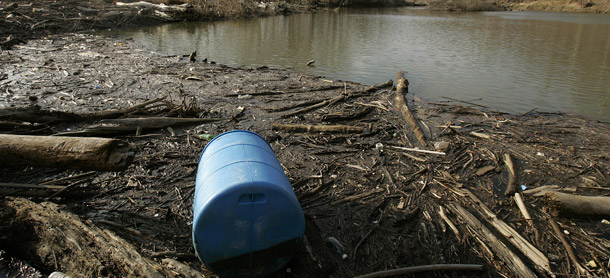
Amid all the urban turbulence and classroom concerns, the Potomac River presents an intriguing counterpoint as a symbol of nature’s resilience. Its latest report card, assigning a “B” rating for water quality, offers a glimpse into the challenges and opportunities embedded in our local environment. On one hand, the steady rating suggests that some improvements have been made; on the other, it alerts us to ongoing issues like polluted runoff and rapid forest loss.
This assessment is a prime example of how a natural resource can be both inspiring and worrying at the same time. The Potomac is more than just a body of water—it is a vital part of our travel and recreation environment. Families, fishermen, kayakers, and hikers rely on its banks for leisure and connection with nature. However, the fact that the river still isn’t reliably safe for fishing or swimming forces us to take a closer look at the subtle details that need fixing.
As we consider the future of the Potomac River, it becomes clear that improving environmental quality is not just a matter for scientists and policy makers. It is a cause that directly affects those of us who cherish outdoor recreation. We have to figure a path through the confusing bits of regulatory processes and tackle issues like urban sprawl and polluted runoff head-on.
Outdoor Recreation Growth Amid Water Quality Concerns
Notwithstanding the mixed reviews on water quality, outdoor recreation in and around the Potomac River has seen a notable increase—up 10% since 2020, according to the Potomac Conservancy. This rise in interest is partly a response to the challenges we face in our urban lives. As communities look for safe havens where they can unwind, the lure of the natural world becomes more appealing.
This trend is important for several reasons:
- Economic Boost: Increased outdoor activity translates to more visitors, which in turn helps local businesses such as cafes, outdoor gear shops, and guided tour services.
- Community Engagement: A growing number of recreational users can help drive improvements in facilities and safety measures along the river.
- Environmental Awareness: When more people engage with nature, they become better advocates for protecting precious natural resources and addressing issues like polluted runoff.
Our newfound appreciation for outdoor activities exemplifies the paradox of modern living: while urban challenges might seem overwhelming, they also push us to seek solace in the environment. By diving in to understand the Potomac’s current state, we find hope that, with the right infrastructure improvements and community efforts, our cherished outdoor spaces can evolve into safer and cleaner havens.
Understanding the River’s “B” Rating: Hidden Challenges and Opportunities
The “B” rating assigned to the Potomac River is a mixed bag of both achievements and warnings. A closer look shows that the river has been steadily improved, yet it remains affected by issues such as rapid forest loss and the polluted runoff that comes with urban sprawl. To put these factors in perspective, consider the following table that outlines the key ratings over recent years:
| Year | Water Quality Rating |
|---|---|
| 2025 | B |
| 2023 | B |
| 2020 | B- |
| 2018 | B |
| 2016 | B- |
| 2013 | C |
| 2011 | D |
| 2007 | D+ |
This historical snapshot reveals that improvement is not linear. While we have seen progress over time, the subtle parts of environmental degradation—such as diminished forest cover and toxic runoff—continue to hamper full revitalization.
For outdoor enthusiasts and travel aficionados, these details are super important. A pristine, safe river can transform a region into a major destination for kayaking, fishing, and lakeside picnics. Yet achieving that ideal state requires a joint effort from environmental agencies, local governments, and community advocates. By staying informed and engaged, readers can participate in initiatives aimed at reducing urban impact on natural water bodies and help steer through the safe paths toward sustainable recreation.
Urban Pollution and Infrastructure Improvements: Working Through the Challenges
One of the most nerve-racking elements of our urban life today is the way polluted runoff and rapid development threaten our natural spaces. The Potomac River report card highlights that while some progress has been made in managing urban pollution, there are still plenty of confusing bits that need untangling. The term “infrastructure improvements” might sound promising, but it also masks the overwhelming complexity of finding your way through years of accumulated environmental stress.
There are several key issues that contribute to this situation:
- Urban Sprawl: As cities expand, green spaces are often sacrificed, leading to increased surface runoff that carries contaminants into natural bodies of water.
- Aging Infrastructure: Many urban areas are grappling with dated water treatment facilities that struggle to cope with modern pollution levels.
- Limited Budget Allocation: With multiple competing priorities—from school safety to economic development—the funds available for environmental conservation can be stretched thin.
At the same time, the efforts to make infrastructure improvements are a testament to our community’s willingness to work through difficult issues. Investments in better water treatment, enhanced public transportation to reduce vehicle emissions, and restoration projects for local parks are all small triumphs in the battle against urban pollution. These initiatives work best when they are developed in close consultation with the community, ensuring that the improvements benefit both locals and visitors seeking outdoor recreation opportunities.
By taking a closer look at these themes, we begin to see that solving the polluted runoff challenge is not just a matter for environmental experts. It is an issue that affects our quality of life, public health, and the recreational experiences we can offer to ourselves and to travelers from afar. As communities continue to steer through these challenging twists and turns, the oversight provided by local governments and environmental organizations remains a key component in driving progress.
Traveling Beyond the Headlines: Finding Your Way Through Local Realities
In the midst of unsettling headlines and industry controversies—from debates surrounding political figures to public safety concerns—travel and outdoor enthusiasts are left wondering how best to enjoy the many attractions our region offers. The art of planning a journey involves more than picking a destination; it requires a thoughtful understanding of the local environment, its strengths, and its quirks.
For example, reports of sold-out sports events, dramatic shifts in political commentary, and instances of local violence set a nerve-racking backdrop for those inclined to travel. However, they also remind us that every locale has its strengths and vulnerabilities. As we take a closer look into these events, it becomes clear that the outdoor spaces many of us cherish offer solace and stability amid the chaotic bits of modern news.
When planning your next adventure, consider the following strategies to make the most of your travels while staying safely connected to the heart of the communities you visit:
- Do Your Research: Understanding the local news landscape and community concerns can help you choose areas that are both safe and well-maintained for outdoor recreation.
- Engage with Locals: Conversations with residents often reveal hidden details about the best spots for nature activities that do not always make headlines.
- Support Local Environmental Efforts: By contributing to or volunteering with community initiatives, you help secure the future of outdoor spaces—making them safer and more enjoyable for everyone.
These steps offer practical ways to ensure our journeys are fulfilling while also being sensitive to the harder issues many communities face. The underlying message is that while today’s news may be full of overwhelming updates, it also provides opportunities to connect meaningfully with the natural landscapes that refresh our spirit.
Insights on Community Resilience and Outdoor Enjoyment
In communities where the news is constantly interlaced with tricky parts related to safety and environmental challenges, there exists a profound sense of resilience. People are learning to adapt by finding joy in the outdoors, whether through casual strolls, organized hikes, or community sports events. The surge in outdoor recreation along the Potomac River—despite its “B” rating—demonstrates that even when natural spaces face obstacles, they can still become a source of healing and inspiration.
This resilience is reflected in the way communities are managing their resources. Take, for example, the way local organizations are working together on environmental conservation efforts. These groups not only focus on improving water quality but also on educating residents about how simple lifestyle choices can have ripple effects on nature. By making small changes—like reducing personal vehicle use or switching to greener products—residents can help reduce polluted runoff and support long-term sustainability goals.
The interplay between community strength and the beauty of the natural world is clear when you step back and observe local initiatives. These efforts, often sparked by grassroots organizations and supported by municipal funds, create a roadmap for other areas grappling with similar issues. They serve as a reminder that while headlines may sometimes paint a gloomy picture, there are always opportunities to find your way through and embrace the outdoors with renewed hope.
Taking the Wheel: How to Experience the Outdoors Responsibly Amid Challenges
For those planning to step off the beaten path and enjoy nature firsthand, understanding the small distinctions of local environmental and social conditions is essential. When we talk about responsible travel, it’s not just about reducing our carbon footprint or leaving no trace—it’s also about respecting the communities that make these destinations unique.
There are several key tips that any outdoor enthusiast should stroll through when planning an adventure in areas affected by urban challenges and environmental issues:
- Prioritize Safety: Stay informed about local news, check for any travel advisories, and plan your route through well-lit and trusted areas.
- Show Community Respect: Engage with local residents and support neighborhood businesses. Their insights can guide you to the safest and most welcoming spots.
- Practice Eco-Friendly Habits: Use reusable materials, pick up litter, and be mindful of natural habitats to ensure your footprint remains as light as possible.
- Stay Educated: Keep up with local environmental reports, such as water quality updates from the Potomac River, so you know which areas are safe for activities like swimming or fishing.
These guidelines emphasize that while planning outdoor excursions may seem intimidating at first, a bit of homework and a commitment to community values can make your journey both enriching and secure. There is beauty in figuring a path that respects both human and nature-made boundaries—a reminder that education and sensitivity are as important as adventure.
Planning a Day Out: A Sample Itinerary for Nature Lovers
Below is a sample itinerary designed for those who want to enjoy local outdoor attractions while keeping safety and environmental concerns in mind. This day-out plan combines the joy of discovering nature with the reassurance that comes from traveling informed:
- Morning:
- Start with a guided nature walk at a local park, ensuring that the route is well-marked and secure.
- Visit a community-run outdoor market to enjoy local produce and learn about eco-friendly practices from vendors.
- Afternoon:
- Plan a kayaking or canoeing trip along a safe, designated stretch of the Potomac River. Make sure to check current water quality reports before heading out.
- Enjoy a picnic in an area known for its pristine natural settings, using biodegradable supplies and ensuring all waste is properly disposed of.
- Evening:
- Join a local community event or outdoor concert if available. Such events not only offer entertainment but foster a sense of local solidarity.
- Wrap up the day with a reflective walk, noting any signs of improvement or lingering concerns regarding environmental conditions in the area.
By following an itinerary like this, travelers can actively participate in local culture while also supporting the ongoing efforts to improve community and environmental health. It serves as a practical demonstration of how to artfully blend relaxation with responsible travel practices.
Community Voices and Local Leadership: Learning from Recent Events
It is not uncommon for local leaders, educators, and citizens to step forward as advocates for change in times when the news is loaded with issues. Recently, members of our community have spoken passionately about the need for better public safety measures and environmental protection initiatives. Whether it’s addressing the nerve-racking incidents on school campuses or demanding enhanced investments in local infrastructure, these voices are essential in driving positive change.
One prominent example is the public outcry over how quickly outdoor recreational areas can fall victim to urban sprawl and neglect. Local leaders are increasingly emphasizing the importance of creating environmentally sustainable policies and supporting communities through both educational and recreational initiatives. There’s a strong sentiment that protecting our natural assets—like the Potomac River—requires joint action from government officials, local businesses, and individual residents.
In addition to official measures, grassroots movements have begun to forge strong bonds among residents. Community-led cleanups, recycling drives, and environmental workshops are increasingly popular. These actions not only demonstrate that our communities can work together during times of tension but also remind us that the essence of outdoor recreation is, at its heart, about unity and joy.
As an opinion writer, I believe that sustained success in addressing these issues lies in ongoing dialogue. By taking a closer look at both the challenges and the positive steps being made, we can nurture a collective spirit that values safety, sustainability, and the beauty of the outdoors.
Local Leadership Initiatives and Their Impact
Several local initiatives deserve special mention as prime examples of community resilience and proactive environmental stewardship:
- School and Community Safety Programs: Partnerships between local law enforcement and school boards now focus on improving security measures around vulnerable areas, providing a layered safety net for children and families alike.
- Environmental Cleanup Campaigns: Regular cleanup drives along the Potomac River and nearby parks have mobilized hundreds of volunteers, creating a more sustainable and enjoyable environment for future visitors.
- Informational Workshops and Public Forums: Community centers host workshops that educate residents on how to reduce polluted runoff, conserve water quality, and support local infrastructure improvements.
These small yet significant actions highlight a clear path for what remains possible when community members work together. It is a potent reminder that while the news may be full of discouraging incidents, the local spirit of unity and proactive planning is equally strong—and sometimes even stronger.
Bridging the Gap: Merging Urban Realities with the Call of Nature
The blend of urban challenges and the enduring allure of nature creates a narrative that is both cautionary and hopeful. Indeed, the twin demands of addressing modern safety and environmental issues with our innate desire to explore are not mutually exclusive. Instead, they complement one another, teaching us how to figure a path towards a more sustainable and emotionally nurturing future.
For those of us whose hearts beat faster at the prospect of adventure, the lessons are clear: responsible travel means engaging with current issues, educating oneself on local challenges, and ultimately contributing to lasting solutions, whether through direct action or by supporting local initiatives. Every park visit, every river paddle, and every nature walk is an opportunity to be part of a broader effort that values environmental conservation and community safety equally.
Travel and outdoor recreation have long been considered an escape from urban stress, yet these pursuits are inseparable from the communities in which they occur. By acknowledging the competing demands for public resources—such as school safety and environmental management—we can inch closer to a state where both urban and natural landscapes are safe, inviting, and full of promise.
Integrating Community Action with Travel Experiences
Here are some strategies to merge your love of travel with a commitment to local improvement:
- Volunteer Your Time: Consider joining local environmental or safety improvement projects before or after your adventure. A few hours of community service can make a significant difference over time.
- Spread the Word: Use your travel blog, social media, or word-of-mouth to highlight local initiatives that make a positive impact on community life and preservation efforts.
- Choose Eco-Friendly Accommodations: When traveling, select hotels or lodges that prioritize sustainability and contribute to local environmental programs.
- Engage in Local Culture: Attend local events or public forums, as they offer insight into how residents are handling recent challenges and striving for improvements.
Such measures not only enhance your travel experience but also enrich your understanding of the local context. They are small steps that, when added up, drive major change and reinforce the strong bond between a community and its natural heritage.
Conclusion: Embracing Complexity with a Spirit of Outdoor Adventure
Our current landscape is undeniably full of problems—from unsettling school incidents and political controversies to environmental challenges that threaten cherished outdoor spaces like the Potomac River. Yet, even in the face of these nerve-racking headlines, there exists a silver lining. The steady rise in outdoor recreation, the resilience of community initiatives, and the collective response to address urban pollution all signal that there is hope for finding your way through these tangled issues.
The journey to a safer, cleaner, and more sustainable community is not simple. It involves steering through complicated pieces of modern challenges, making careful choices, and engaging actively with both local news and natural resources. For travelers and outdoor enthusiasts, this means planning adventures that are mindful, responsible, and in tune with the needs of the communities they celebrate. It is about taking the wheel, navigating the small distinctions of local realities, and embracing both the urban and natural realms in an integrated manner.
As you plan your next getaway or weekend retreat, consider not only the scenic beauty of the destination but also the broader context in which it exists. Reflect on the ways community safety programs, public infrastructure improvements, and environmental cleanup initiatives have helped shape the experience. By doing so, you become part of a global movement that values responsibility as much as relaxation, and realism as much as recreation.
In the end, the stories we hear—whether they document one child’s emergency at a D.C. middle school or reveal ongoing environmental challenges on the Potomac—are all pieces of the same mosaic. They remind us that each of us, in our pursuit of adventure, has a role to play. We can’t always change the headlines, but we can choose to support actions that improve our shared spaces, ensuring that the next time you step outside, the world you embrace is as safe and beautiful as nature intended.
This is a call to all who love travel, who cherish the outdoors, and who believe that beneath every troubling headline, there lies an opportunity to rebuild, to reconnect, and to rediscover the extraordinary potential of our communities. Let us step forward with purpose—armed with keen awareness, a caring heart, and the determination to help our local environment flourish for future generations.
Originally Post From https://wjla.com/news/local/potomac-river-water-quality-pollution-fishing-swimming-drinking-outdoor-recreation-forest-loss-infrastructure-improvements-2025-report-card-release-ratings
Read more about this topic at
Video Reveals Power Of Sinclair, As Local News Anchors …
TV anchors decrying ‘fake’ news puts spotlight on Sinclair …